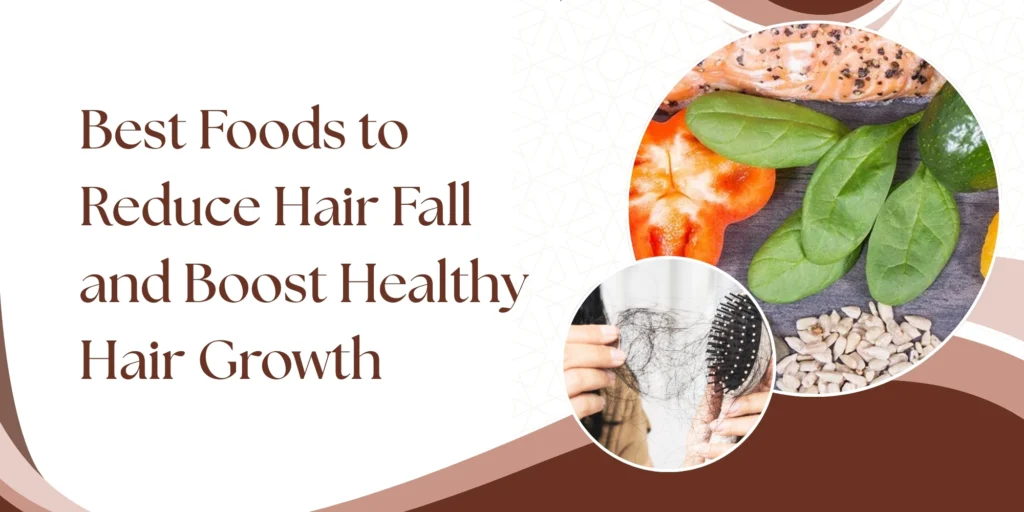
The clump of hair in your brush grows larger each day. You’ve invested in expensive shampoos, tried every oil treatment your grandmother recommended, and perhaps even started taking biotin supplements—yet your hair continues thinning relentlessly. What if the solution isn’t sitting on your bathroom shelf but rather in your kitchen? The connection between what you eat and how your hair grows is profound, yet frequently overlooked in favor of external treatments that address symptoms without fixing the underlying problem.
Your hair follicles are living structures that require specific nutrients to function optimally. When your diet for hair growth lacks essential vitamins, minerals, proteins, or healthy fats, your body prioritizes vital organs over hair production—after all, beautiful hair won’t keep you alive, but a functioning heart will. Here’s your comprehensive guide to eating your way to stronger, healthier, more abundant hair.
Understanding the Hair Growth Nutrition Connection
Hair is composed primarily of a protein called keratin, synthesized by follicle cells that rank among the fastest-dividing cells in your body. This rapid production requires constant nutritional support. When your diet for hair growth lacks essential nutrients, several problems emerge: follicles enter premature resting phases causing excessive shedding, new hair grows thinner and weaker than before, growth rate slows significantly, and hair becomes brittle and prone to breakage.
Common nutritional deficiencies affecting hair include iron (especially in menstruating women), protein (in vegetarians or those following restrictive diets), vitamin D (widespread in populations with limited sun exposure), B-vitamins particularly B12 and biotin, zinc, omega-3 fatty acids, and vitamin E. Addressing these through strategic foods for hair growth often produces dramatic improvement within 3-6 months as follicles receive the nourishment they’ve been missing.
Essential Protein Rich Food for Hair Growth
Since hair is literally made of protein, adequate intake is non-negotiable for healthy growth. Protein rich food for hair growth should feature prominently in every meal:
Eggs: Perhaps the ultimate hair food, eggs provide high-quality protein, biotin, and vitamins A and D. The yolk contains essential fatty acids that nourish follicles. Include 1-2 eggs daily in your diet for hair growth through various preparations.
Lean Poultry: Chicken and turkey offer complete proteins with all essential amino acids needed for keratin synthesis. These protein rich food for hair growth options also provide B-vitamins supporting follicle health.
Fish: Salmon, mackerel, and sardines deliver protein alongside omega-3 fatty acids that reduce inflammation around follicles and support scalp health. Aim for 2-3 servings weekly as key foods for hair growth.
Greek Yogurt: This provides protein plus probiotics that support nutrient absorption and vitamin B5 (pantothenic acid) linked to blood flow to the scalp. Its versatility makes it easy to include in your diet for hair growth daily.
Legumes: For vegetarians, lentils, chickpeas, and beans offer plant-based protein, iron, zinc, and biotin. These economical foods for hair growth deserve regular inclusion in meals.
Lean Beef: Provides highly bioavailable iron and zinc alongside quality protein. Those with iron-deficiency hair loss particularly benefit from moderate red meat consumption as part of their diet for hair growth.
Quinoa: This complete plant protein contains all nine essential amino acids plus iron, vitamin E, and magnesium. It’s an excellent protein rich food for hair growth for those avoiding animal products.
Vitamin-Rich Foods for Hair Growth
Specific vitamins play crucial roles in hair health, and obtaining them through foods for hair growth ensures better absorption than supplements:
Vitamin A Foods
Sweet potatoes, carrots, spinach, and kale provide beta-carotene that your body converts to vitamin A. This vitamin supports sebum production that naturally conditions hair and scalp. However, excessive vitamin A can actually cause hair loss, so focus on food sources rather than high-dose supplements in your diet for hair growth.
B-Vitamin Sources
Whole grains, avocados, nuts, and leafy greens provide B-vitamins essential for red blood cell formation that carries oxygen and nutrients to follicles. Biotin specifically, found abundantly in eggs, almonds, and sweet potatoes, supports keratin infrastructure.
Vitamin C Foods
Citrus fruits, strawberries, bell peppers, and guavas provide vitamin C that aids iron absorption and supports collagen production around hair follicles. Including these foods for hair growth alongside iron-rich meals maximizes nutrient utilization.
Vitamin D Sources
Fatty fish, egg yolks, and fortified foods provide vitamin D, which plays a role in creating new follicles. Many people with hair loss show vitamin D deficiency, making these important additions to your diet for hair growth.
Vitamin E Foods
Almonds, sunflower seeds, spinach, and avocados contain vitamin E, a powerful antioxidant that reduces oxidative stress in the scalp. This protects follicles from damage and supports healthy growth environment.
Mineral-Rich Food to Reduce Hair Fall
Specific minerals prove particularly important as food to reduce hair fall:
Iron-Rich Foods
Spinach, red meat, lentils, and fortified cereals provide iron essential for oxygen transport to follicles. Iron deficiency is among the most common nutritional causes of hair loss, particularly in women. Combining iron-rich foods for hair growth with vitamin C sources enhances absorption.
Zinc Sources
Oysters, pumpkin seeds, chickpeas, and cashews offer zinc that supports hair tissue growth and repair. Zinc deficiency often manifests as hair shedding and slow regrowth. Regular inclusion in your diet for hair growth prevents this common problem.
Selenium Foods
Brazil nuts (just 2-3 daily), tuna, and whole grains provide selenium that protects follicles from oxidative damage. This trace mineral supports healthy scalp environment essential for strong hair growth.
Healthy Fats and Omega-3 Foods for Hair Growth
Your body cannot produce essential fatty acids, making dietary sources critical as foods for hair growth:
Fatty Fish: Salmon, mackerel, herring, and sardines provide omega-3s that reduce inflammation, support scalp health, and add shine and elasticity to hair strands.
Walnuts: The only nut providing significant omega-3 fatty acids, walnuts also offer vitamin E, biotin, and copper that prevents premature graying.
Flaxseeds and Chia Seeds: These plant-based omega-3 sources also provide fiber and protein, making them versatile additions to smoothies, yogurt, or salads in your diet for hair growth.
Avocados: Rich in healthy monounsaturated fats, vitamin E, and B-vitamins, avocados nourish both scalp and hair while supporting nutrient absorption from other foods for hair growth.
Creating Your Complete Diet for Hair Growth
Building an effective diet for hair growth means incorporating diverse nutrient sources throughout your day:
Sample Daily Meal Plan
Breakfast: Greek yogurt with berries, ground flaxseeds, and walnuts. Or scrambled eggs with spinach and whole grain toast. These combinations provide protein, vitamins, and healthy fats starting your day with foods for hair growth.
Mid-Morning Snack: Apple slices with almond butter or a small handful of Brazil nuts providing sustained energy and hair-supporting nutrients.
Lunch: Grilled salmon salad with mixed greens, bell peppers, chickpeas, and olive oil dressing. This meal combines protein rich food for hair growth with vitamin C, iron, and healthy fats.
Afternoon Snack: Carrot sticks with hummus or a smoothie made with spinach, banana, Greek yogurt, and chia seeds delivering diverse nutrients.
Dinner: Lean chicken breast with quinoa and roasted sweet potato alongside steamed broccoli. This balanced meal provides complete nutrition supporting hair health.
Evening: Herbal tea and 2-3 Brazil nuts if not consumed earlier, ensuring adequate selenium intake.
This framework ensures you’re consuming adequate foods for hair growth throughout the day while maintaining overall nutritional balance.
Foods to Avoid That Worsen Hair Fall
While focusing on beneficial foods for hair growth, equally important is minimizing items that undermine hair health:
High-Sugar Foods: Excessive sugar spikes insulin and triggers inflammation that disrupts normal hair cycles. Limit refined carbohydrates, sugary drinks, and processed sweets.
Alcohol: Impairs nutrient absorption, dehydrates skin and scalp, and depletes essential B-vitamins and zinc needed for hair growth. Minimize consumption for optimal results from your diet for hair growth.
Excessive Vitamin A: While moderate amounts help, excessive intake from supplements can trigger hair loss. Stick to food sources in your diet for hair growth.
Mercury-Rich Fish: Swordfish, king mackerel, and some tuna varieties contain mercury that can contribute to hair loss. Choose low-mercury options like salmon and sardines as your primary foods for hair growth.
Processed Foods: High sodium, artificial ingredients, and trans fats create inflammation and nutrient deficiencies. Focus on whole, unprocessed foods for hair growth instead.
Hydration and Hair Health
While not technically food, adequate water intake is crucial as food to reduce hair fall works optimally in well-hydrated bodies. Water transports nutrients to follicles, maintains scalp moisture, eliminates toxins that could impair growth, and keeps hair shafts hydrated preventing brittleness. Aim for 8-10 glasses daily, more in hot weather or with exercise.
When Diet Alone Isn’t Enough
While optimizing your diet for hair growth provides essential foundation, some hair loss requires professional intervention. At AK Dermacare, we address hair concerns through comprehensive protocols combining nutritional guidance with advanced treatments:
Nutritional Assessment: We evaluate your diet, identify deficiencies through blood tests when appropriate, and provide personalized dietary recommendations alongside foods for hair growth guidance.
Professional Treatments: PRP therapy, mesotherapy, laser treatments, and medical-grade solutions address hair loss mechanisms that nutrition alone cannot resolve, working synergistically with improved diet for hair growth.
Customized Protocols: We design integrated approaches combining professional procedures with optimized nutrition, supplementation when necessary, and lifestyle modifications for comprehensive improvement.
Monitoring and Adjustment: Regular follow-ups track progress, adjust nutritional recommendations, and modify treatments ensuring optimal outcomes from both dietary changes and professional interventions.
Our holistic approach recognizes that while foods for hair growth provide essential building blocks, addressing hormonal imbalances, scalp conditions, or genetic factors often requires medical expertise alongside nutritional optimization.
Supplements vs. Food Sources
While whole foods for hair growth should always be your primary nutrient source, supplements can help when dietary intake proves insufficient:
When Supplements Help: Diagnosed deficiencies confirmed through blood tests, restrictive diets limiting certain food groups, increased requirements during pregnancy or illness, and poor absorption issues requiring higher doses.
Supplement Considerations: Choose high-quality products from reputable manufacturers, follow recommended dosages to avoid toxicity, combine with appropriate foods for hair growth for synergistic effects, and consult healthcare providers before starting new supplements.
We provide evidence-based supplement recommendations during consultations, ensuring safe, effective use that complements your diet for hair growth rather than replacing it.
Lifestyle Factors Supporting Your Diet for Hair Growth
Maximize benefits from foods for hair growth through complementary lifestyle practices:
Quality Sleep: 7-8 hours nightly allows cellular repair and optimal nutrient utilization supporting hair follicle function.
Stress Management: Chronic stress triggers hormonal changes that cause hair loss regardless of nutrition. Regular meditation, exercise, or relaxation practices protect against stress-induced shedding.
Gentle Hair Care: Avoid excessive heat styling, tight hairstyles, and harsh chemical treatments that damage hair mechanically even when nutrition is optimal.
Regular Exercise: Improves circulation delivering nutrients from foods for hair growth more efficiently to scalp and follicles while reducing stress.
No Smoking: Tobacco constricts blood vessels reducing nutrient delivery to follicles and generates free radicals that damage hair structure.
Final Thoughts
Transforming your hair health begins on your plate. While external treatments offer temporary cosmetic improvement, genuine, lasting change comes from nourishing follicles with the foods for hair growth they require to function optimally. A comprehensive diet for hair growth rich in protein, vitamins, minerals, and healthy fats provides the foundation for strong, abundant, beautiful hair.
However, when dietary optimization alone doesn’t resolve hair concerns, professional guidance makes the difference between frustration and success. At AK Dermacare, we combine nutritional expertise with advanced treatments, ensuring you address hair loss from every angle for maximum improvement.
Ready to transform your hair from within? Schedule your comprehensive consultation at AK Dermacare and discover how optimized nutrition combined with professional care creates the thick, healthy hair you deserve.
Frequently Asked Questions (FAQs)
1. What are the best foods for hair growth that I should eat daily?
The best foods for hair growth to include daily are eggs (protein and biotin), Greek yogurt (protein and B5), salmon or other fatty fish 2-3 times weekly (omega-3s and protein), leafy greens like spinach (iron and vitamins), nuts especially walnuts and almonds (healthy fats and vitamin E), and sweet potatoes (beta-carotene). This combination provides comprehensive nutrition supporting every aspect of hair health. We help patients design practical meal plans incorporating these foods for hair growth during consultations at AK Dermacare.
2. How long before I see results from improving my diet for hair growth?
Most people notice reduced hair shedding within 6-12 weeks of consistently following an improved diet for hair growth. Visible new growth typically appears around 3-4 months as hair grows approximately half an inch monthly. Significant density and quality improvements manifest at 6-12 months with sustained nutritional optimization. Combining dietary changes with professional treatments accelerates results, often showing improvement within 2-3 months.
3. Can protein rich food for hair growth really stop hair fall?
Yes, adequate protein rich food for hair growth is essential since hair is made of keratin protein. Protein deficiency causes hair to enter the resting phase prematurely, leading to excessive shedding and slow regrowth. Consuming sufficient protein from eggs, fish, poultry, legumes, and dairy provides amino acids necessary for hair shaft formation. However, if hair loss stems from hormonal issues, genetics, or medical conditions, protein alone won’t resolve it.
4. Are supplements necessary or can food to reduce hair fall be enough?
Whole food to reduce hair fall should always be your primary strategy as nutrients from food absorb better and provide cofactors that isolated supplements lack. However, supplements help when blood tests confirm deficiencies, dietary restrictions limit certain nutrients, or absorption issues exist. Most people achieve significant improvement through dietary optimization alone when following a comprehensive diet for hair growth. We assess individual needs during consultations, recommending supplements only when necessary to complement foods for hair growth rather than replace them.
5. What foods should I avoid that cause hair loss?
Avoid excessive sugar and refined carbohydrates that trigger inflammation, high-mercury fish like swordfish that can contribute to hair loss, excessive alcohol that depletes essential nutrients, processed foods with trans fats and artificial ingredients, and extreme calorie restriction that deprives follicles. Instead, focus on whole, nutrient-dense foods for hair growth including lean proteins, colorful vegetables, healthy fats, and whole grains.