
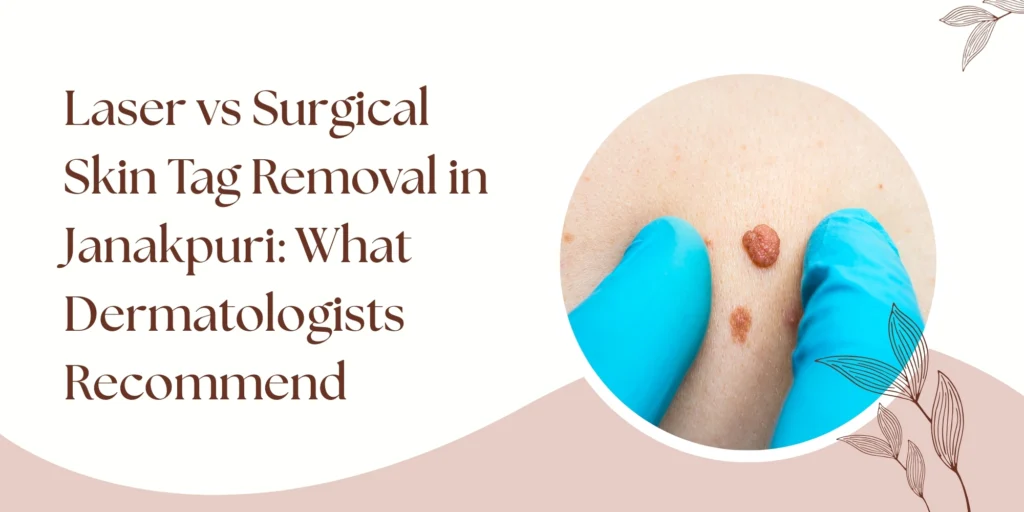
You notice a small, flesh-colored growth dangling from your neck while getting ready for work. It catches on your jewelry, tugs when you towel-dry your hair, and makes you increasingly self-conscious during video calls. You’ve tried ignoring it, hoping it might disappear on its own, but weeks turn into months and that tiny skin tag remains stubbornly attached—sometimes joined by others appearing in clusters around your underarms or eyelids.
If you’ve found yourself Googling how to remove skin tags at midnight, watching questionable DIY videos, or wondering whether you should just tie a thread around it like your neighbor suggested, you’re facing a decision that deserves better guidance.
The “best” method isn’t universal, it depends on your skin tag’s size, location, number, and your personal skin characteristics. While social media influencers might swear by one approach, professional skin tag removal requires specific medical consideration that goes beyond general skincare trends.
At AK Dermacare in Janakpuri, we help patients understand exactly which removal method suits their specific situation, ensuring safe, effective removal with minimal scarring and maximum comfort.
Understanding Skin Tags: What You’re Actually Dealing With
Before choosing a removal method, understanding what skin tags are helps explain why certain treatments work better than others.
What Are Skin Tags?
Skin tags, medically termed acrochordons, are small, benign growths of skin that protrude from the body’s surface on a thin stalk or peduncle. They’re composed of loose collagen fibers and blood vessels surrounded by skin, appearing as soft, movable bumps typically flesh-colored or slightly darker than surrounding tissue.
Common Locations
Skin tags favor areas where skin experiences friction or folding: neck, underarms, groin, under breasts, eyelids, and upper chest. These locations experience constant movement and rubbing, which research suggests may contribute to skin tag formation.
Why They Develop
While the exact cause remains unclear, several factors increase likelihood: genetics, friction from skin rubbing, insulin resistance, hormonal changes during pregnancy, aging, and obesity. Skin tags aren’t contagious, don’t turn cancerous, and pose no health risk—they’re purely cosmetic concerns or physical irritations.
Why Professional Removal Matters
Despite numerous home remedies circulating online about how to remove skin tags, dermatologists strongly discourage DIY removal. Skin tags have blood supply within their stalks, meaning improper removal causes bleeding, infection risk, incomplete removal leading to regrowth, and potential scarring worse than professional treatment would create. Professional evaluation also ensures that what appears to be a simple skin tag isn’t actually a wart, mole, or other growth requiring different treatment.
Laser Skin Tag Removal: How It Works
Laser skin tag removal represents the modern approach to skin tag elimination, using concentrated light energy to destroy tissue precisely.
The Technology Behind It
Skin tag removal laser treatment employs high-energy light beams—typically CO2 or Nd:YAG lasers—that target the skin tag tissue. The laser energy vaporizes the cells while simultaneously cauterizing blood vessels, creating a virtually bloodless removal process. This precision allows dermatologists to eliminate tags without affecting surrounding healthy skin.
The Procedure Experience
Laser skin tag removal sessions at our Janakpuri clinic typically progress through these stages:
- Consultation and Assessment: Your dermatologist examines the skin tags, confirms they’re appropriate for laser treatment, and discusses expectations
- Preparation: The treatment area gets cleansed and disinfected. For most skin tags, topical anesthetic cream suffices, though larger tags might require local anesthetic injection
- Laser Application: The dermatologist directs the laser beam at the skin tag’s base. You might smell a slight burning odor as tissue vaporizes. Each tag takes seconds to minutes depending on size. The laser’s heat seals blood vessels instantly, preventing bleeding
- Post-Treatment: The area receives antimicrobial ointment and possibly a small bandage. You receive aftercare instructions and can typically resume normal activities immediately
Recovery and Results
Laser-treated areas form small scabs that fall off within 7-14 days, revealing healed skin beneath. Most patients experience minimal discomfort, comparable to a mild sunburn, and can return to work immediately.
Surgical Skin Tag Removal: The Traditional Approach
Surgical excision, the time-tested removal method, involves physically cutting the skin tag using sterile instruments.
Surgical Techniques
Dermatologists employ several surgical approaches:
- Scissor Excision: Small, sharp surgical scissors snip the skin tag at its base. This quick method works excellently for pedunculated tags (those on stalks) and provides immediate, complete removal. Recent research comparing methods found scissor excision caused less pain than laser treatment, though it was slightly slower when accounting for wound dressing time
- Scalpel Excision: For larger or sessile tags (flat-based without stalks), a surgical scalpel removes the growth followed by cauterization to stop bleeding and promote healing
- Electrocautery: This technique combines cutting with cauterization using an electric surgical tool that burns through the tag while sealing blood vessels simultaneously. It’s particularly effective for multiple tags or larger growths
- Cryosurgery Component: Sometimes dermatologists freeze the skin tag’s base with liquid nitrogen before excision, reducing sensation and making removal more comfortable
The Procedure Experience
Surgical skin tag removal sessions typically involve:
- Evaluation: Your dermatologist confirms the growth is indeed a benign skin tag appropriate for removal
- Anesthesia: Local anesthetic numbs the area completely. You’ll feel pressure but no pain during removal
- Excision: Using the chosen method, your dermatologist removes the tag at its base. The process takes seconds for small tags, a few minutes for larger ones
- Hemostasis: Any bleeding gets controlled through pressure, cauterization, or styptic agents
- Wound Care: The site may receive a bandage depending on size and location
Recovery Timeline
Surgical sites typically heal within 1-2 weeks. You’ll need to keep the area clean, apply prescribed ointment, and avoid irritation.
Laser vs Surgical: Key Differences
Understanding the distinct characteristics of each method helps explain why dermatologists recommend different approaches for different situations.
Laser skin tag removal excels for small to medium tags, particularly when you’re dealing with multiple tags clustered together or tags in delicate facial locations near the eyes. The procedure is remarkably fast, taking just seconds per tag, and produces minimal to no bleeding since the laser heat instantly seals blood vessels. This approach carries lower scarring risk especially for smaller tags, and often requires only topical anesthetic cream rather than injections. However, the treated area forms scabs that take 7-14 days to fall off naturally, and skin tag removal laser treatment carries slightly higher risk of temporary pigmentation changes, particularly in darker skin tones. The procedure time is extremely quick, though complete healing including color normalization may take several weeks to months.
Surgical removal, conversely, proves ideal for large tags with thick stalks, single problematic tags requiring immediate complete removal, and situations where tissue biopsy might be necessary since the removed tissue remains intact for laboratory analysis. The tag disappears immediately without the scabbing period laser creates, and this method carries lower risk of pigmentation changes compared to laser. Surgical excision typically costs less per tag than laser treatment, though the procedure takes slightly longer than laser when accounting for wound dressing. Minor bleeding may occur requiring control through pressure or cauterization, and larger excisions carry marginally higher scarring risk. Most patients experience healing within 1-2 weeks, with some post-procedure tenderness that’s easily managed with over-the-counter pain relievers.
What Dermatologists Recommend: Decision Factors
Experienced dermatologists in Janakpuri base their recommendations on several key considerations rather than declaring one method universally superior.
Size Matters Most
Small tags (under 3-4mm) respond excellently to laser skin tag removal with minimal scarring and quick healing. Large tags with thick stalks often require surgical excision for complete removal—laser treatment might not fully eliminate substantial tissue in one session.
Location Influences Technique
Facial tags, especially near eyes, benefit from laser precision that avoids surrounding delicate skin. Neck tags visible in professional settings often receive laser skin tag removal to minimize visible scarring. Tags in body folds (underarms, groin) where bandaging proves difficult often suit laser’s minimal-wound approach. However, tags in areas where complete excision and healing verification matter may benefit from surgical removal where the dermatologist can ensure the entire base gets eliminated.
Number of Tags
Multiple small tags clustered together often receive laser treatment efficiently—the dermatologist can address many tags quickly in one session. Single large problematic tags typically undergo surgical excision for immediate, complete removal with one intervention.
Patient Skin Type
Darker skin tones face higher risk of post-inflammatory pigmentation changes with skin tag removal laser treatment, though modern lasers minimize this concern. Patients prone to keloid scarring require careful technique selection—both methods can potentially trigger abnormal scar formation, requiring individualized assessment.
Medical Considerations
Tags that have changed appearance, bleed spontaneously, or cause concern may require surgical excision allowing tissue biopsy—laser vaporization destroys tissue, preventing laboratory analysis. Patients on blood thinners need careful evaluation, as surgical methods involve more bleeding risk than laser. Those with pacemakers or electronic implants may have restrictions on electrocautery use.
Cosmetic Priorities
Patients prioritizing absolute minimal scarring for visible areas often prefer laser skin tag removal for appropriate-sized tags. Those wanting immediate complete removal without the scabbing period laser creates may prefer surgical excision despite slightly longer initial healing.
The Treatment Experience at AK Dermacare
Our Janakpuri clinic provides comprehensive skin tag evaluation and removal with both laser and surgical options available.
Initial Consultation
Your first visit includes thorough examination of your skin tags, discussion of your concerns and priorities, assessment of medical history and skin type, and clear explanation of which method we recommend and why.
Treatment Day
We ensure your comfort throughout the removal process: verification that you understand the procedure and expected recovery, appropriate anesthesia for painless treatment, precise removal using the recommended technique, and clear post-treatment instructions with 24/7 emergency contact information.
Post-Treatment Care
Following your skin tag removal, we provide: prescribed wound care products and detailed application instructions, guidance on activity restrictions (usually minimal), scheduled follow-up to monitor healing, and answers to any questions arising during recovery.
Why Choose Professional Removal
Professional skin tag removal at AK Dermacare ensures: accurate identification that the growth is truly a benign skin tag, sterile technique preventing infection, appropriate method selection for your specific situation, minimal scarring with optimal cosmetic outcome, and safe removal avoiding complications DIY methods risk.
Post-Removal Care and Healing
Proper aftercare ensures optimal healing regardless of the removal method chosen.
Immediate Aftercare (First 24-48 Hours)
Keep the treated area clean and dry, avoiding submersion in water though brief showering is usually acceptable. Apply prescribed antibiotic ointment as directed to prevent infection and promote healing. Avoid touching, scratching, or picking at scabs or treated areas. For areas prone to friction, protect with appropriate bandaging or clothing choices.
Ongoing Care (Until Healed)
Clean the area gently with mild soap and water, patting dry carefully. Continue applying prescribed ointments until fully healed. Avoid sun exposure to treated areas—UV radiation can cause hyperpigmentation. Don’t apply makeup directly to healing wounds. Watch for signs of infection: increasing redness, warmth, pus, or fever.
What to Expect During Healing
- Laser-Treated Sites: Form dark scabs within 24 hours that gradually shrink and fall off over 7-14 days. The area may appear slightly pink or darker than surrounding skin temporarily—this usually normalizes within weeks to months. Avoid forcibly removing scabs; let them separate naturally
- Surgically-Removed Sites: May have small wounds requiring bandage changes initially. Healing progresses from outside edges inward, typically completing within 1-2 weeks. Slight tenderness is normal for several days
Pigmentation Changes: Both methods can cause temporary darkening (hyperpigmentation) or lightening (hypopigmentation) that usually resolves over months. This risk is higher in darker skin tones and with skin tag removal laser treatment, though proper aftercare and sun protection minimize occurrence.
Common Concerns and Misconceptions
Several persistent myths about skin tag removal deserve clarification.
“Home Removal is Just as Safe”
This dangerous misconception leads many people to attempt removal with nail clippers, thread ligation, or over-the-counter freezing products. These approaches risk significant bleeding from cutting the blood supply incorrectly, severe infection from non-sterile tools, incomplete removal causing regrowth or complications, and worse scarring than professional removal creates. The precision required for clean removal requires professional knowledge and proper technique for safe, effective results.
“Skin Tags Will Just Grow Back”
When completely removed professionally, skin tags don’t regrow from the same location. However, if you’re genetically predisposed or have risk factors, new tags may appear in other locations. Complete removal differs from partial removal some home methods achieve, where remaining tissue can regrow into another tag.
“Removal is Expensive and Not Worth It”
While insurance doesn’t typically cover cosmetic removal, the cost proves reasonable considering the permanent solution, minimal scarring with professional technique, and avoided risks of DIY complications. Many patients address skin tags during visits for other concerns, making the addition efficient. Some dermatology clinics offer package pricing for multiple tag removal.
“Laser Always Leaves Dark Marks”
Modern laser technology, proper technique, and appropriate post-treatment care minimize pigmentation changes. While temporary darkening can occur—especially in darker skin tones—this usually fades. The risk is comparable to pigmentation changes patients might experience from other aesthetic procedures, which proper aftercare significantly reduces.
“Surgical Removal Always Scars Visibly”
Skilled dermatologists performing surgical excision create minimal scarring that fades to barely noticeable marks for most patients. The scar size correlates primarily with the original skin tag size rather than the removal method. Tiny tags leave virtually invisible scars regardless of technique.
When to Seek Dermatologist Evaluation
While most skin tags are straightforward cosmetic concerns, certain situations require prompt professional evaluation.
Signs Requiring Assessment
Schedule a dermatology consultation if your skin growth changes color, shape, or size rapidly; bleeds spontaneously without trauma; causes pain, itching, or discomfort; looks irregular, asymmetric, or unlike typical skin tags; or appears suddenly in large numbers. These characteristics might indicate something other than a benign skin tag requiring different evaluation and treatment.
Uncertain Diagnosis
If you’re unsure whether a growth is a skin tag versus a wart, mole, or other lesion, professional diagnosis ensures appropriate treatment. Attempting removal without proper identification risks complications and missed diagnosis of conditions requiring different care. Dermatologists can distinguish between various skin growths at a glance, ensuring you receive correct treatment.
Medical History Considerations
Patients with diabetes, compromised immune systems, bleeding disorders, or those taking anticoagulants need professional evaluation before any removal procedure. These conditions don’t prevent treatment but require modifications ensuring safety.
Cosmetic Concerns
Even without medical complications, cosmetic concerns about visible skin tags warrant consultation. Dermatologists balance effective removal with minimal scarring, especially for tags on face, neck, or other visible areas where appearance matters greatly.
Why Choose AK Dermacare in Janakpuri
Our clinic provides specialized skin tag removal with advantages that ensure optimal outcomes.
Experienced Dermatologists
Our team brings extensive experience evaluating and removing skin tags using both laser and surgical techniques. This experience ensures accurate diagnosis, appropriate method selection for your specific situation, skillful execution minimizing scarring, and confident handling of any complexity arising during treatment.
Advanced Technology
We maintain modern laser systems and surgical equipment providing precise, safe removal with optimal cosmetic results. Our facility meets stringent sterility standards ensuring infection prevention.
Comprehensive Approach
Beyond just removing skin tags, we address underlying skin health, help prevent future tag development where possible, coordinate with your overall skincare needs, and provide long-term dermatology support.
Patient-Centered Care
We prioritize clear communication about realistic expectations, comfortable treatment experience with appropriate anesthesia, flexible scheduling accommodating your needs, and responsive follow-up addressing any concerns during healing.
Convenient Location
Our Janakpuri location provides accessible care for residents throughout Delhi seeking professional skin tag removal with experienced dermatologists, eliminating the need to travel across the city for quality treatment.
Final Thoughts
The laser versus surgical skin tag removal debate doesn’t have a universal answer—dermatologists recommend different approaches based on your skin tag’s characteristics, your skin type, your priorities, and specific circumstances. Laser skin tag removal offers precision, minimal bleeding, and quick procedures ideal for small to medium tags and multiple growths, while surgical excision provides immediate complete removal perfect for larger tags and situations requiring tissue biopsy.
At AK Dermacare in Janakpuri, we provide expert evaluation helping you understand exactly which removal method suits your needs, ensuring confident decisions and comfortable treatment experiences. Whether you’re addressing a single bothersome tag or multiple growths, professional removal eliminates concerns about DIY risks while delivering results that let you stop worrying about those dangling distractions.
Ready to finally eliminate those irritating skin tags with expert care? Schedule your consultation at AK Dermacare and discover how personalized professional removal creates the smooth, comfortable skin you deserve.
Frequently Asked Questions (FAQs)
1. Is laser or surgical removal better for skin tags on the neck?
For small to medium neck tags, laser skin tag removal often proves ideal because it offers precision minimizing scarring in this visible area, causes minimal bleeding, and heals quickly without extensive bandaging. Larger neck tags may require surgical excision for complete removal. Your dermatologist in Janakpuri will examine your specific tags and recommend the method providing optimal cosmetic outcomes for your situation.
2. How much does skin tag removal cost in Janakpuri?
Skin tag removal costs vary based on removal method (laser typically costs more than surgical), number of tags being removed, tag size and complexity, and whether anesthesia beyond topical cream is required. Most clinics price per tag or offer package rates for multiple removals. Contact AK Dermacare for specific pricing tailored to your needs.
3. Will skin tags grow back after professional removal?
No, properly removed skin tags don’t regrow from the same location. Complete removal, whether laser or surgical, eliminates the tag permanently from that spot. However, if you have genetic predisposition or contributing factors like friction or insulin resistance, new tags may develop in other locations over time.
4. Is skin tag removal painful?
Both laser skin tag removal and surgical removal involve minimal pain with appropriate anesthesia. Most small tags require only topical anesthetic cream creating numbness within minutes. Larger tags may receive local anesthetic injection causing brief pinching sensation followed by complete numbness. During removal, you might feel pressure or mild heat sensation but not pain.
5. How long does healing take after skin tag removal?
Healing timelines vary by removal method and tag size. Laser skin tag removal sites form scabs falling off within 7-14 days, with complete healing including pigmentation normalization taking several weeks to months. Surgically-removed tags typically heal within 1-2 weeks, with smaller wounds healing faster. During healing, follow your dermatologist’s aftercare instructions regarding wound cleaning, ointment application, and sun protection.