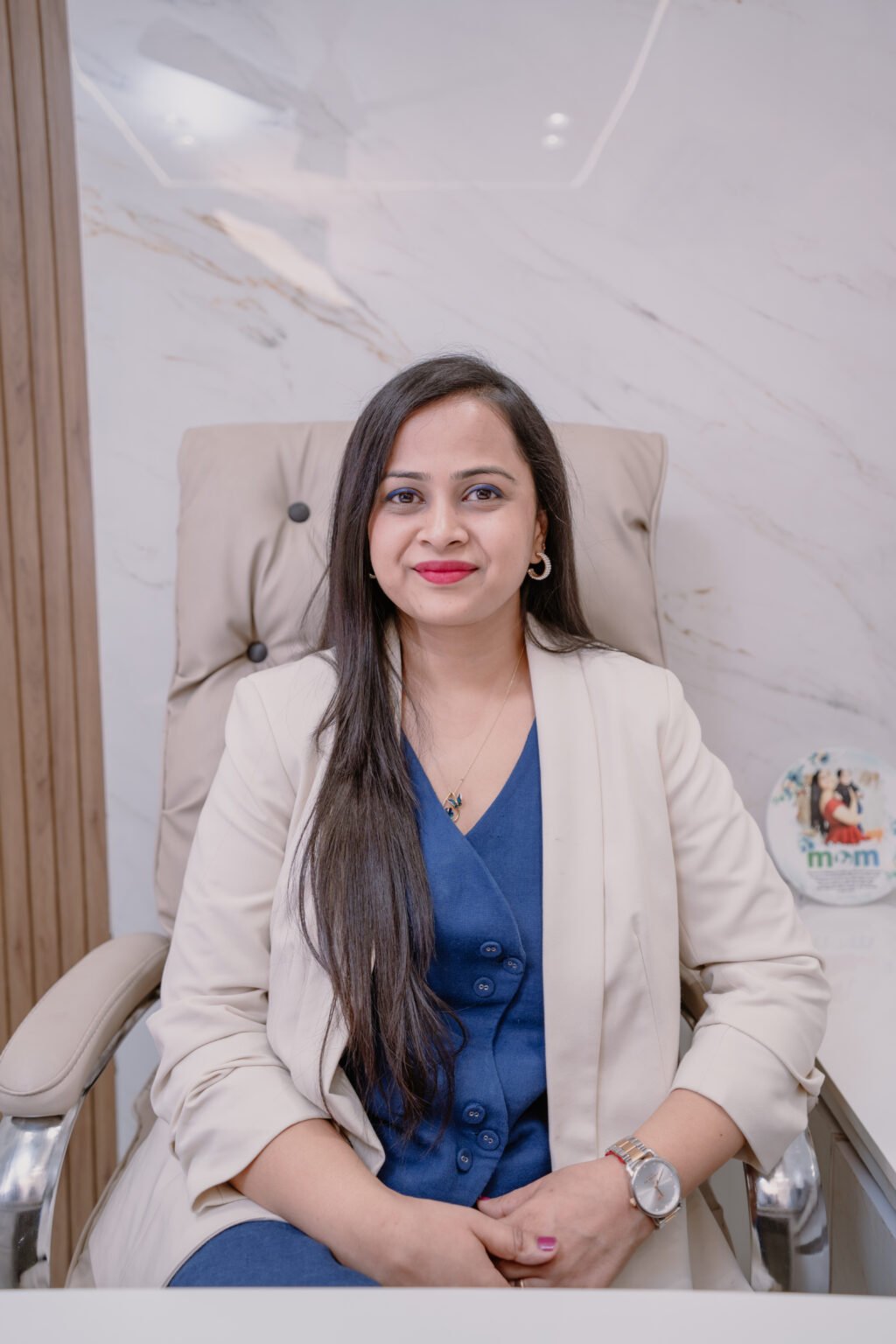
Best hair fall treatment in West Delhi begins not with a product or a procedure but with a correct diagnosis, because hair loss is not a single condition. It is a symptom with dozens of potential causes, each requiring a different treatment approach. Androgenetic alopecia, telogen effluvium, iron deficiency, thyroid dysfunction, PCOS-driven hair loss, scalp inflammation, and traction damage all present as hair fall but respond to completely different management strategies. At AK Dermacare in West Delhi, Dr. Parul Garg, the best hair specialist in West Delhi, identifies the specific cause of each patient’s hair loss before recommending any treatment, because the most common reason hair fall treatments fail is that they address the wrong cause.
Key Takeaways
When should I consult a dermatologist for hair fall? When hair fall is persistent for more than 6 to 8 weeks, visibly increased beyond normal daily shedding, associated with scalp changes, or accompanied by other symptoms such as fatigue, irregular cycles, or weight changes.
Is PRP treatment effective for hair regrowth? Yes, particularly for androgenetic alopecia and telogen effluvium. PRP stimulates dormant follicles and improves scalp vascularity, producing measurable improvement in hair density and thickness across a course of sessions.
What is normal daily hair fall? 50 to 100 hairs per day is within the normal range. Consistently losing more than this, or noticing visible thinning at the part line, temples, or crown, warrants a dermatologist assessment.
Can hair loss be reversed? In many cases, yes. Telogen effluvium, nutritional deficiency-driven hair loss, and early androgenetic alopecia all respond well to treatment when identified and addressed early.
Introduction
Hair loss is one of the most emotionally significant dermatological concerns a patient can experience, and for good reason. Hair is tied to identity, confidence, and self-image in a way that few other physical features are. When it starts to go, regardless of age or gender, the psychological impact is immediate and often disproportionate to the clinical severity of the hair loss itself.
The problem is that most people spend years managing the symptom rather than treating the cause. The hair fall shampoo. The onion oil. The biotin supplement that helped a little for a few months before the shedding continued. The diagnosis was never made. The driver was never identified. The treatment was never correct.
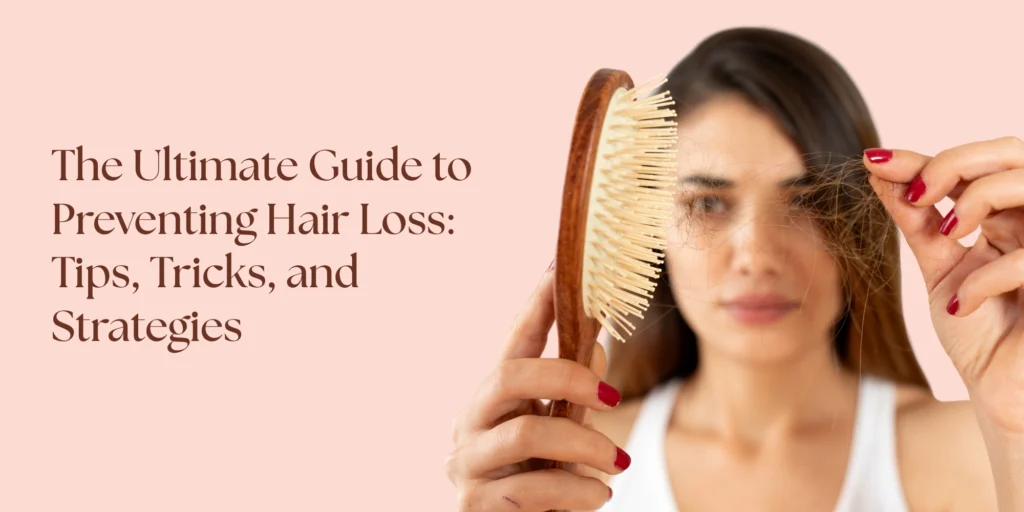
Hair loss prevention that actually works requires understanding what is causing the hair to fall. Androgenetic alopecia requires follicle preservation and DHT suppression. Telogen effluvium requires nutritional and systemic correction. Scalp inflammation requires anti-inflammatory treatment. Traction alopecia requires mechanical correction. None of these respond to the same approach, and most over-the-counter solutions do not distinguish between them at all.
This guide covers every significant cause of male and female hair loss treatment, the right approach for each, and when clinical intervention is needed to protect follicles that are at risk of permanent loss.
Understanding the Hair Growth Cycle
Every hair on the scalp goes through a three-phase cycle. Understanding this cycle is essential for understanding why hair falls and when treatment is most effective.
Anagen (growth phase): The active growth phase lasting 2 to 7 years per follicle. Approximately 85 to 90 percent of scalp hair is in anagen at any given time.
Catagen (transition phase): A brief 2 to 3 week phase in which the follicle regresses and detaches from the dermal papilla.
Telogen (resting and shedding phase): A 3 to 4 month resting phase at the end of which the hair sheds naturally. Approximately 10 to 15 percent of hair is in telogen at any given time.
Normal daily hair fall of 50 to 100 hairs reflects the telogen shedding of follicles that have completed their cycle. Hair loss becomes pathological when the cycle is disrupted, either by follicle miniaturisation (androgenetic alopecia), premature shift into telogen (telogen effluvium), or follicle destruction (scarring alopecias).
Types of Hair Loss: Correct Diagnosis First
Androgenetic Alopecia
The most common cause of progressive hair loss in both men and women. Driven by the effect of dihydrotestosterone (DHT) on genetically susceptible follicles, which progressively miniaturise over successive cycles until they stop producing visible hair entirely.
In men, it presents as a receding hairline and crown thinning in the classic pattern. In women, it presents as diffuse thinning at the central part line and crown with preserved frontal hairline, often referred to as female pattern hair loss.
Androgenetic alopecia is progressive and permanent if untreated but responds well to early clinical intervention. The key is starting treatment before follicle miniaturisation is complete and irreversible.
Telogen Effluvium
An acute or chronic diffuse hair shedding triggered by a systemic physical or emotional stress that pushes a large proportion of anagen follicles prematurely into telogen. The shedding typically appears 2 to 3 months after the triggering event.
Common triggers in women: post-pregnancy hormonal shift, significant weight loss or crash dieting, major surgery or illness, severe emotional stress, iron or ferritin deficiency, thyroid dysfunction, and COVID-19 or other significant infections.
Telogen effluvium is reversible when the trigger is identified and addressed. Without identifying the cause, the shedding continues and recurs.
Nutritional Deficiency Hair Loss
Iron deficiency is the most common nutritional cause of hair fall in Indian women, frequently present even without anaemia (low ferritin with normal haemoglobin is sufficient to impair the hair cycle). Vitamin D deficiency, zinc deficiency, and B12 deficiency are also established contributors to diffuse hair shedding.
Nutritional hair loss is entirely reversible with correct supplementation but supplementing without testing is inefficient and sometimes counterproductive: excess vitamin A, for example, is itself a cause of hair loss.
PCOS-Driven Hair Loss
In women with PCOS, elevated androgens produce a combination of diffuse scalp hair thinning and increased facial and body hair. This is androgenetic in mechanism but requires hormonal management as a component of treatment rather than scalp-only intervention.
Alopecia Areata
An autoimmune condition in which the immune system attacks hair follicles, producing patchy, well-defined areas of hair loss. Requires specific immunomodulatory treatment very different from other hair loss types.
Traction Alopecia
Hair loss caused by chronic tension on the follicle from tight hairstyles: braids, extensions, tight ponytails, and buns. Begins as reversible follicle stress and becomes permanent scarring alopecia if the traction is not relieved in time.
When Should I Consult a Dermatologist for Hair Fall
Most people wait too long. The window for most effective treatment is early, when follicles are miniaturised but not yet permanently lost. By the time the thinning is visible to others, significant follicle loss has already occurred.
Consult a best hair specialist in West Delhi when:
- Hair fall is consistently above normal for more than 6 to 8 weeks
- The parting line is visibly widening or the scalp is visible through the hair at the crown or temples
- Hair fall increased after a specific event: pregnancy, illness, dietary change, or hormonal change
- Patchy hair loss has appeared suddenly
- Scalp symptoms are present: itching, flaking, tenderness, or redness
- Hair fall is accompanied by fatigue, irregular cycles, weight changes, or other systemic symptoms
- Hair quality has changed: significantly increased breakage, reduced thickness of individual strands, or texture change
At AK Dermacare, Dr. Parul Garg conducts a complete hair and scalp assessment at the initial consultation including a detailed history, scalp examination, and investigation guidance to identify the exact cause before any treatment is recommended.
Hair Loss Prevention: What Actually Works
Hair loss prevention requires different strategies depending on whether the goal is preventing genetic progression, avoiding lifestyle-driven triggers, or protecting follicles already under stress.
Nutritional Foundations
- Maintain ferritin levels above 40 to 70 ng/mL for optimal hair cycle support: test, do not guess
- Adequate protein intake: hair is primarily keratin and requires sufficient dietary protein for synthesis
- Vitamin D and zinc status: test annually if hair fall is a concern
- Avoid crash dieting, prolonged caloric restriction, and elimination diets without nutritional supervision
Scalp Health
- A healthy scalp is the foundation for healthy hair. Scalp seborrhoea, dandruff, and folliculitis all disrupt the follicle environment and worsen hair fall
- Medicated shampoos for scalp conditions as prescribed, not managed with generic anti-dandruff products that suppress symptoms without treating the cause
- Scalp massage with gentle pressure stimulates scalp blood flow and supports dermal papilla nutrition
Hair Care and Styling
- Avoid chronic tight hairstyles that create traction on the follicle
- Minimise heat styling frequency and use heat protectant when styling is necessary
- Avoid aggressive chemical processing: bleaching, perming, and straightening cause structural hair shaft damage and breakage that compounds hair loss appearance
- Use a wide-tooth comb on wet hair to reduce mechanical breakage
Lifestyle and Systemic Factors
- Chronic stress is a significant and underestimated hair fall trigger through cortisol-mediated disruption of the hair cycle: sleep, stress management, and recovery are clinical priorities in hair loss management
- Thyroid function check annually for women with persistent diffuse hair fall
- Review any medications associated with hair loss: antidepressants, blood pressure medications, anticoagulants, and high-dose vitamin A
Dermatologist Supervised Hair Treatments
At AK Dermacare, best hair fall treatment in West Delhi uses a complete clinical protocol combining prescription topicals, procedural treatments, and nutritional correction based on the specific diagnosis.
Minoxidil
The most established topical treatment for androgenetic alopecia in both men and women. Minoxidil extends the anagen phase of affected follicles and increases follicle size. Available in 2 percent and 5 percent topical formulations and an oral low-dose version for appropriate candidates. Requires consistent daily use for sustained effect.
Prescription Oral Treatment
- Finasteride (in men): A 5-alpha reductase inhibitor that blocks the conversion of testosterone to DHT, halting androgenetic alopecia progression at the hormonal level
- Spironolactone (in women): An anti-androgen that reduces androgenetic hair loss in women with confirmed androgen excess or PCOS
- Oral minoxidil (low dose): Increasingly used for both male and female pattern hair loss under dermatologist supervision
Is PRP Treatment Effective for Hair Regrowth
Yes. Platelet-Rich Plasma (PRP) treatment is one of the most effective clinical interventions for androgenetic alopecia and telogen effluvium, and one of the most requested at AK Dermacare.
PRP is prepared from the patient’s own blood, which is processed to concentrate the platelet fraction and the growth factors it contains. When injected into the scalp at the level of the follicle bulge, these growth factors stimulate dormant follicles, improve scalp vascularity, and extend the anagen phase of active follicles.
Clinical evidence consistently shows PRP produces measurable improvement in hair density, hair shaft thickness, and follicle count per unit area in androgenetic alopecia patients, with results appearing progressively from session 2 onward.
A standard PRP course for hair loss at AK Dermacare involves 3 to 4 sessions spaced 4 to 6 weeks apart, followed by maintenance sessions every 3 to 6 months to sustain the improvement.
GFC (Growth Factor Concentrate) Therapy
An advanced evolution of PRP that uses a higher concentration of purified growth factors. GFC delivers a more potent follicle-stimulating effect than standard PRP with the same safety profile, being derived from the patient’s own blood. Dr. Parul Garg recommends GFC for patients with moderate to advanced androgenetic alopecia who need a more intensive growth factor protocol.
Low-Level Laser Therapy (LLLT)
Red light laser therapy at specific wavelengths stimulates mitochondrial activity in follicle cells, improving energy metabolism and extending anagen. Used as an adjunct to PRP or minoxidil therapy for enhanced outcomes, particularly in early to moderate androgenetic alopecia.
Mesotherapy for Hair
Microinjections of a customised cocktail of vitamins, minerals, amino acids, and growth factors directly into the scalp dermis. Improves scalp microcirculation, delivers nutritional support directly to follicle cells, and supports overall hair cycle health. Particularly effective for telogen effluvium and nutritional deficiency-related hair fall.
Male and Female Hair Loss Treatment: Key Differences
| Feature | Male Hair Loss | Female Hair Loss |
| Most common type | Androgenetic alopecia | Androgenetic alopecia and telogen effluvium |
| Pattern | Receding hairline and crown | Central part widening, diffuse thinning |
| Hormonal driver | DHT from testosterone | DHT from androgens, PCOS, post-partum |
| Nutritional causes | Less common | Very common (iron, ferritin, vitamin D) |
| Prescription options | Finasteride, minoxidil, oral minoxidil | Spironolactone, minoxidil, oral minoxidil |
| Clinical urgency | High (progressive and permanent) | High for androgenetic, variable for telogen |
Both male and female hair loss benefit significantly from early treatment. The follicle miniaturisation of androgenetic alopecia is progressive and largely irreversible once complete, which is why protecting follicles while they are still viable is the most important principle in hair loss management.
The Complete Hair Loss Prevention Protocol at AK Dermacare
At AK Dermacare, Dr. Parul Garg delivers a fully integrated hair loss management plan that covers every component the condition requires:
- Complete diagnosis: History, scalp examination, trichoscopy, and investigation guidance to identify the exact cause
- Nutritional assessment and correction: Blood work review, supplementation protocol where deficiencies are identified
- Prescription topical and oral treatment: Minoxidil, finasteride (men), or spironolactone (women) as appropriate
- Clinical sessions: PRP or GFC for follicle stimulation, mesotherapy for scalp nutrition, LLLT as adjunct
- Scalp health management: Treatment of any co-existing scalp conditions that are contributing to hair fall
- Maintenance plan: Session schedule and home care protocol to sustain results over the long term
Final Thoughts
Hair loss prevention that produces lasting results is not found in a shampoo bottle or an oil blend. It is found in a correct diagnosis, an appropriate prescription, and a structured clinical protocol that addresses the actual cause of the hair loss from the correct biological level.
The earlier treatment begins, the more follicles can be preserved and the more complete the recovery. For androgenetic alopecia in particular, waiting until the thinning is obvious means many follicles are already permanently lost. For telogen effluvium, identifying and correcting the trigger can stop the shedding within months.
At AK Dermacare in West Delhi, Dr. Parul Garg provides the complete dermatologist-led hair loss assessment and treatment that every patient with hair fall deserves: an accurate diagnosis, a personalised protocol, and a clinical partnership that protects and restores hair at every stage of the process.
Frequently Asked Questions (FAQs)
1. When should I consult a dermatologist for hair fall?
Consult a dermatologist when hair fall is consistently above normal for more than 6 to 8 weeks, when the parting line is visibly widening, when patchy hair loss appears suddenly, or when hair fall is accompanied by scalp symptoms or systemic changes such as fatigue, irregular cycles, or weight change. Early consultation preserves the maximum number of viable follicles and produces the best treatment outcomes.
2. Is PRP treatment effective for hair regrowth?
Yes, particularly for androgenetic alopecia and telogen effluvium. PRP delivers concentrated platelet-derived growth factors directly into the scalp at follicle level, stimulating dormant follicles, improving scalp vascularity, and extending the anagen phase. Clinical evidence shows measurable improvement in hair density and thickness across a course of 3 to 4 sessions. GFC (Growth Factor Concentrate) therapy offers a more potent version of the same approach for moderate to advanced androgenetic alopecia.
3. What is the ultimate guide to preventing hair loss naturally and effectively?
Maintain ferritin, vitamin D, and zinc levels through testing and targeted supplementation. Consume adequate dietary protein. Manage chronic stress and prioritise sleep. Avoid tight hairstyles, aggressive heat, and chemical processing. Use a gentle non-stripping shampoo with regular scalp massage. Treat scalp conditions early. Consult a dermatologist when shedding increases so the cause can be identified and addressed before follicle loss becomes permanent. Natural approaches support hair health but do not replace clinical treatment when a pathological cause is present.
4. What is the best dermatologist-supervised hair treatment in Delhi?
The best treatment is determined by the cause. For androgenetic alopecia: minoxidil, PRP or GFC, and DHT-blocking prescription treatment. Telogen effluvium: trigger identification, nutritional correction, and mesotherapy for scalp support. For PCOS-driven hair loss: hormonal management combined with topical and clinical treatment.